Niger
West Africa
Sector focus: Electric mobility; transportation; industrial development
Documented engagement; not presented as a completed factory, committed investment or operating asset.
Open country recordWe look at demand, policy, infrastructure, capital, workforce, delivery capacity, stakeholders and the evidence needed to understand whether an opportunity can work.
Each section explains the problem, the choices that matter and what it takes to move from planning to implementation.
INDUX treats a country opportunity as a working operating model. Demand, institutions, policy, infrastructure, capital, delivery capability, workforce, stakeholders and evidence quality are tested together because one weak dependency can change the economics of the entire project.
The public market registry below is intentionally evidence-led. It does not imply that every attractive country is already an INDUX operating market.
A market can have strong demand and weak capital markets; good policy and unreliable utilities; strong public support and limited operator capacity. The point of market intelligence is not to award a country a simplistic score. It is to make dependencies visible before capital, technology and commitments move.
West Africa
Sector focus: Electric mobility; transportation; industrial development
Documented engagement; not presented as a completed factory, committed investment or operating asset.
Open country recordA standardized dossier lets executives compare opportunities without flattening local differences. It separates facts from assumptions, market attractiveness from project readiness, and relationship activity from contractual commitment.
Why this market matters to the project, sector and INDUX strategy.
Who controls permits, incentives, public assets, procurement and standards.
Who buys, who pays and which contracts or tariffs support revenue.
The physical and digital dependencies required before the project can operate.
Local and cross-border capital conditions that influence bankability.
Whether suppliers, contractors, operators and service capability can execute reliably.
The workforce, training and management requirements for sustainable operations.
What is known, when it was verified and which assumptions still need validation.
INDUX can evaluate market opportunities with a structured question set. This does not eliminate uncertainty; it prevents enthusiasm from being mistaken for evidence and highlights where development work should concentrate next.
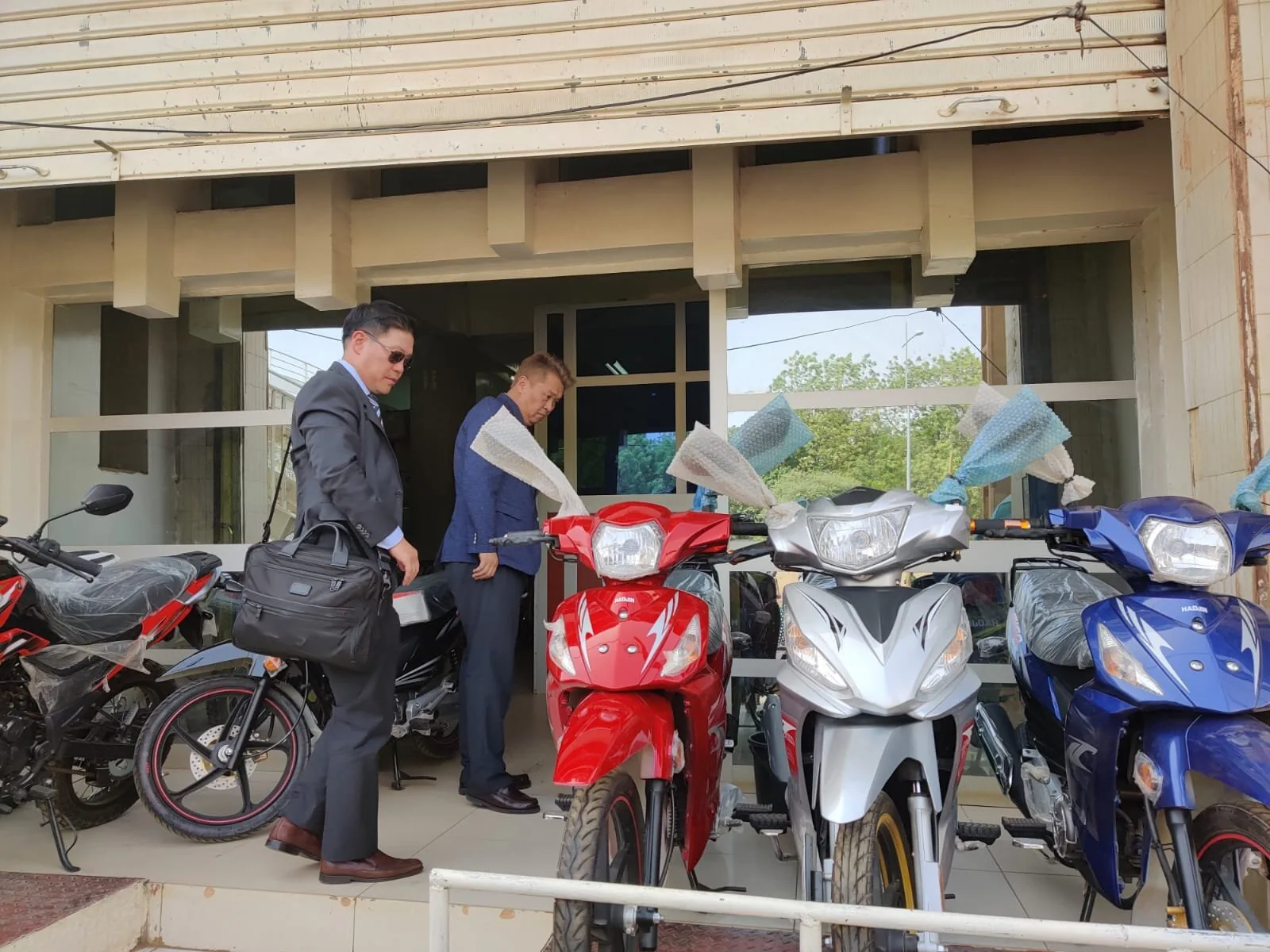
INDUX public materials document a work trip to Niamey focused on building relationships with government, local investors and consumers around the future of an electric-motorbike factory. The stated ambition links cleaner transportation with skills development, jobs, technology, infrastructure and economic growth.
The public story is presented as an engagement and project-development effort. It is not described here as a completed factory, financed asset, operating business or independently verified impact result.
A project can be technically sound and still fail if one stakeholder group sees no value in it. INDUX relationship work identifies what each group controls, needs, contributes, risks and what would cause it to support or block the project.
Policy, permits, public infrastructure, procurement, incentives, national development priorities and citizen outcomes.
Risk, repayment or return, currency, collateral, cash flow visibility, governance and project evidence.
Equipment, intellectual property, delivery capability, service obligations, warranties and localization potential.
Demand, affordability, adoption barriers, service expectations, purchasing behavior and payment reliability.
Skills, capacity, quality, logistics, maintenance, materials and local value creation.
Jobs, safety, access, environmental effects, training and the project’s legitimacy in daily life.
Explore the INDUX partnership and relationship architecture →
Each country profile states exactly what INDUX has done there. A meeting, signed MOU, feasibility study, active project, investment commitment and operating asset are different levels of engagement and should never be blended.
Organizations should appear under “Strategic Partners” only when there is a verified INDUX relationship. Companies named inside an executive biography remain leadership-experience references unless the corporate relationship itself is documented.
INDUX’s published vision calls for economic transformation across 20 countries in Africa and other developing markets by 2030. The Markets experience will grow country by country as evidence becomes available: engagements, sectors, projects, verified partners and measurable impact.
This creates a more credible story because the registry becomes a living record of what INDUX is actually doing, not a decorative display of global ambition.
Verified profiles added only as engagement evidence is approved.
INDUX helps frame the local stakeholder, infrastructure, commercial and execution conditions that determine whether a global opportunity can work in a specific market.
Website guidance only. AI can make mistakes. Do not submit confidential, classified, regulated or highly sensitive information. AI & Data Use