Activity
What meetings, analysis, design, procurement, training or implementation work actually occurred?

A credible project story explains the problem, who was involved, what work was done, how the project was structured and what can actually be measured.
Each section explains the problem, the choices that matter and what it takes to move from planning to implementation.
Projects & Impact replaces the old idea of a simple gallery. Every public project record should distinguish activity from results, identify INDUX's actual role, show the maturity of the project and make clear which outcomes are measured versus still aspirational.
The evidence layer helps the website grow without turning meetings, proposals or early-stage opportunities into unsupported impact claims.
What meetings, analysis, design, procurement, training or implementation work actually occurred?
What tangible deliverable, decision, asset, agreement or capability was produced?
What changed in operations, access, capacity, revenue, skills, infrastructure or service performance?
What durable economic, employment, enterprise, environmental or social result can be supported by evidence?
The registry displays only project records explicitly approved for public presentation. A verified record confirms that the engagement description is defensible; it does not automatically mean the project is operating or that every projected impact has been achieved.

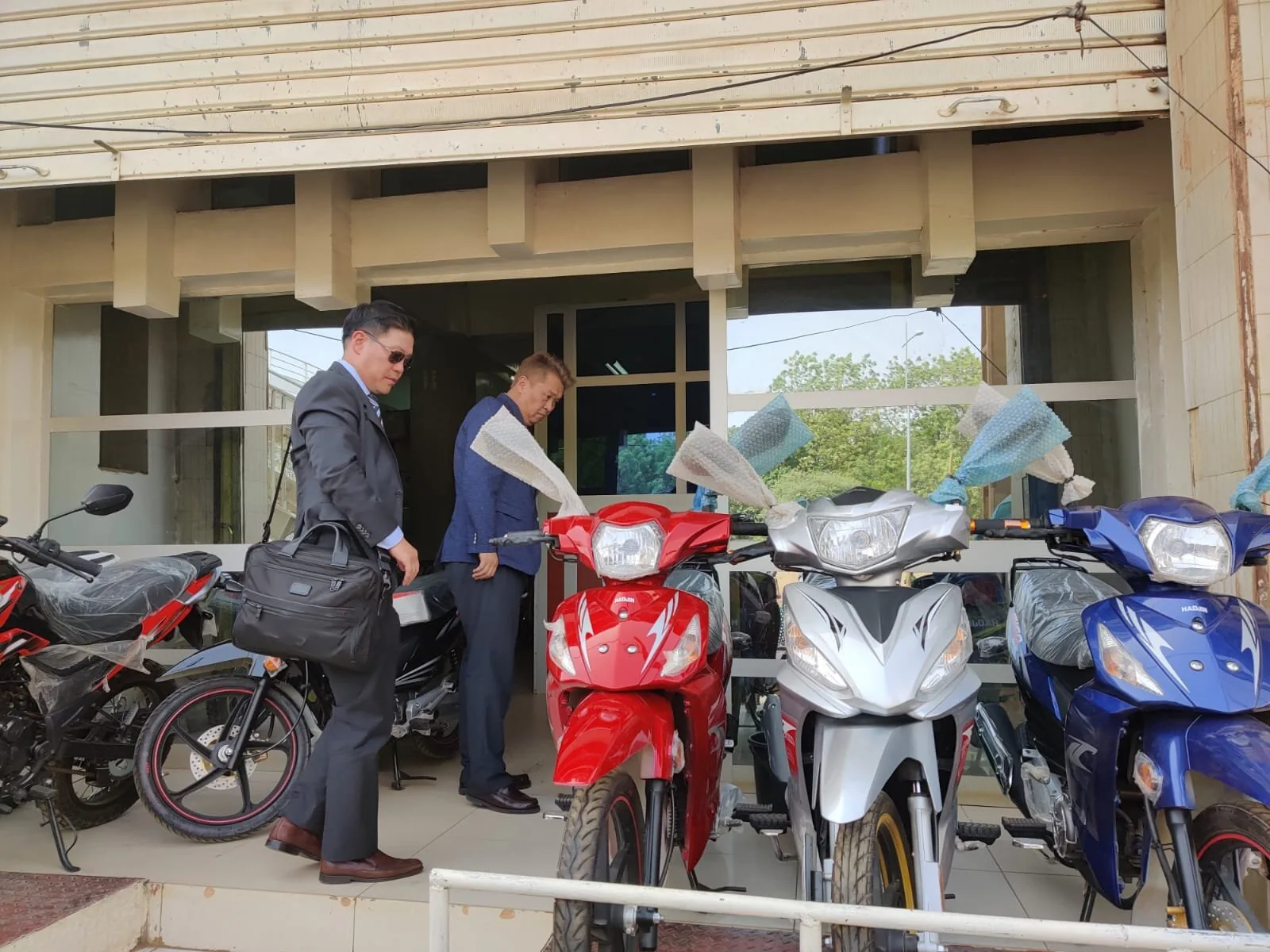
Opportunity: explore the future of an electric-motorbike manufacturing ecosystem intended to support lower-carbon mobility while developing local skills, jobs, technology and infrastructure.
Documented INDUX activity: relationship-building and stakeholder conversations with government leaders, investment stakeholders, the Chamber of Commerce, local banks and consumers.
Evidence boundary: the public record verifies engagement and opportunity development. It does not claim completed factory construction, capital closed, production volume, jobs created, GDP contribution or measured emissions reduction.
Jobs, enterprise creation, capacity and carbon performance are meaningful only when they can be traced to a project activity, defined measurement method and reviewed source. INDUX's impact system therefore keeps the chain from inputs to operating results visible.
The same five-stage vocabulary now drives the project editor, public registry and individual case records, so a reader can distinguish exploration from implementation and operation at a glance.
The goal is not to turn every case study into an audit. It is to make sure important public claims can be traced to an approved record and that unknown results stay clearly identified as unknown.
Use a stable definition for jobs, businesses, capacity, training, emissions or economic value.
Identify the operating record, project report, financial system, partner evidence or approved source.
Assign a person or organization responsible for producing and explaining the number.
Record a review date so stale evidence is not silently presented as current.
Separate internal working data from claims approved for external case-study presentation.
For active projects, INDUX should eventually maintain an internal management view that links opportunity value, probability, revenue, margin, receivables, milestones, decisions, risk and evidence quality. Public case studies publish only an approved subset.
Upcoming decisionOwner · due date · consequence
Critical dependencyApproval · supplier · financing
Cash exposureReceivable · commitment · timing
Impact evidenceJobs · skills · environmental data
Illustrative management dashboard. Placeholder symbols are intentional and do not imply current project values.
INDUX can be evidence-led without disclosing confidential negotiations, personal data, proprietary financial assumptions or restricted government information. The publishing model separates public proof from private diligence.
Approved project purpose, location, sector, INDUX role, stage, selected photos and verified outcomes.
Investor materials, approved feasibility summaries, selected financial outputs and project documents shared under permission.
Negotiation positions, personal information, unapproved contracts, proprietary models and sensitive stakeholder records.
INDUX’s upgraded project evidence system is designed to document what happened, what role the company played and what outcomes can be demonstrated without inflating early-stage engagement into completed impact.
Website guidance only. AI can make mistakes. Do not submit confidential, classified, regulated or highly sensitive information. AI & Data Use