

Skip to content
INDUX Global — Industrial Integrity
Industry & Infrastructure

Industry knowledge matters when plans have to work in the real world.

INDUX works across eleven connected sectors, from energy and transportation to agriculture, manufacturing, water, healthcare, technology, construction and workforce development.

A simple way to use this page See how the work fits together.

Each section explains the problem, the choices that matter and what it takes to move from planning to implementation.

Renewable energy infrastructure
01 · Energy & Climate Infrastructure

Energy projects are more than equipment purchases.

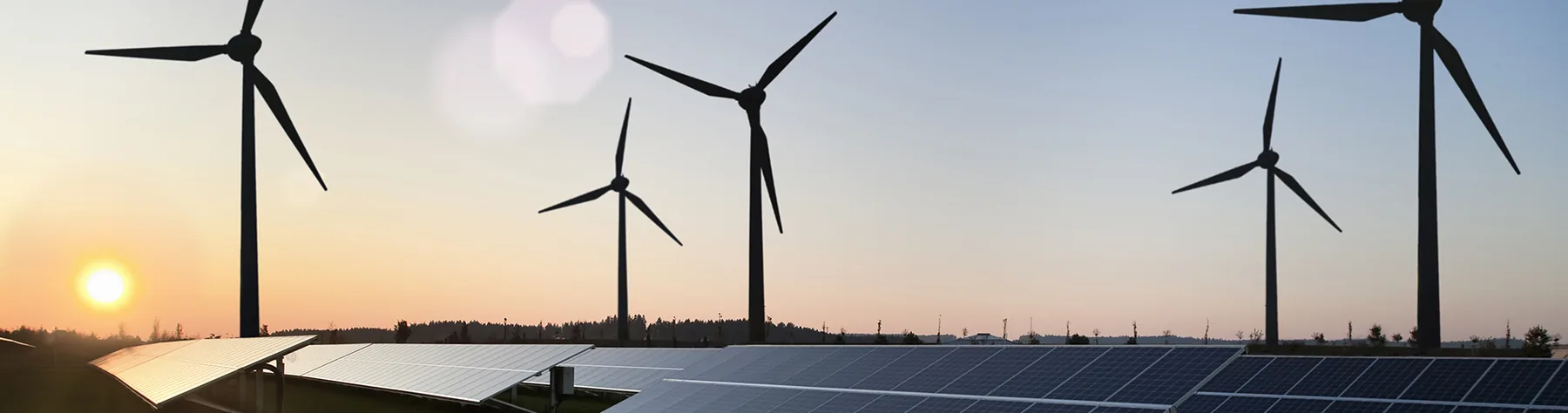
INDUX’s existing renewable-energy work is framed around technology transfer, clean-energy solutions for communities, investor participation and practical products such as solar, transportation, greenhouse systems and related infrastructure.

A viable energy project must connect resource availability, demand, technology, land, interconnection, operations, payment collection, financing, maintenance capacity and public policy. INDUX’s role is to help those pieces become one executable system.

  • Clean-energy project development with cities and communities
  • Investor and capital-readiness coordination
  • Technology transfer and local operating capability
  • Digital and payment infrastructure around energy services
  • Commercial and stakeholder structuring for implementation
ResourceGenerationInfrastructureCustomerRevenueOperations
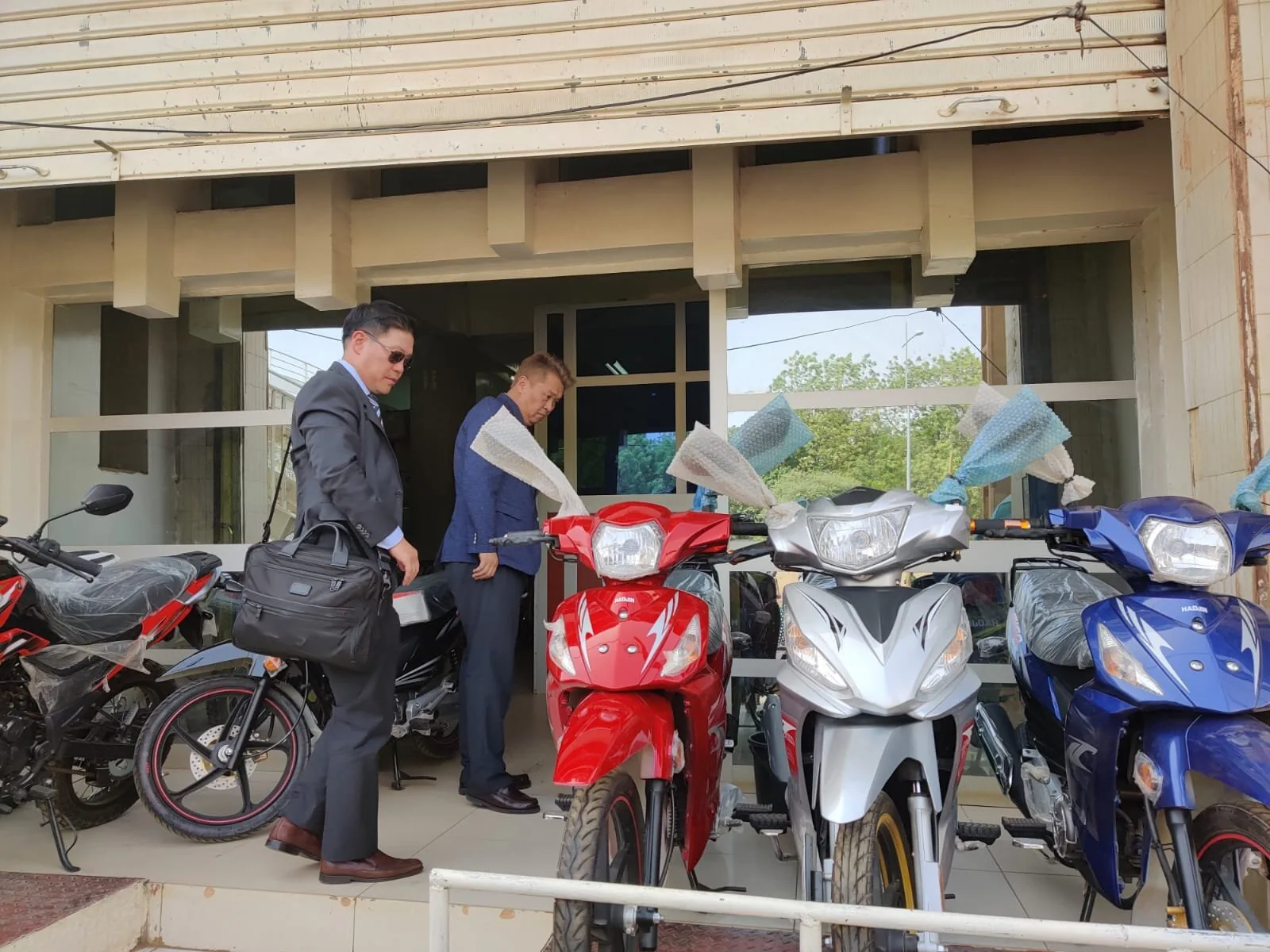
Electric mobility motorcycles in Niamey
02 · Mobility

Mobility is about how people and goods move.

INDUX’s published mobility scope includes electric two- and three-wheel vehicles, buses, cars and related transportation technologies. Here, mobility means the day-to-day system around how people and goods move: vehicles, charging, access, fleet operations, payments, service, financing, safety, skills and digital coordination.

The Niamey engagement illustrates this system view. INDUX described the proposed electric-motorbike factory as a way to combine lower-carbon movement with skills, jobs, technology, infrastructure and wider economic growth. That is different from large transportation infrastructure such as rail networks, airports and highway corridors, which are addressed separately below.

Vehicleproduct + use case
Energycharging + supply
Financepurchase + fleet models
Serviceparts + maintenance
Skillsassembly + technicians
Dataoperations + payments
03 · Transportation Infrastructure

Railways, aviation and highways have to make economic as well as operational sense.

Transportation infrastructure connects cities, industrial zones, farms, ports, airports, labor markets and consumers. For INDUX, this sector should be evaluated as an investment and operating system: who uses the asset, what demand supports it, what must be built, who operates it, how it is financed and how value is sustained over decades.

INDUX can help frame transportation opportunities around feasibility, stakeholder alignment, project structure, investment readiness, technology and operating partnerships. Any specific mandate, financing commitment or completed project should be presented only when it is verified and approved for publication.

Illustration combining railway, aviation and highway transportation infrastructure
Illustrative multimodal transportation system — rail, aviation and highway corridors.
Illustration of modern railway infrastructure
Rail Investment

Passenger, freight and economic corridors

Rail projects combine right-of-way, track, signaling, stations, depots, rolling stock, power, maintenance and operating capacity. The investment case depends on realistic passenger demand or freight tonnage, network connections, construction phasing, operator capability and lifecycle cost.

  • Intercity and urban passenger rail
  • Freight and mineral/agricultural corridors
  • Stations, depots, signaling and rolling stock
  • Concession, PPP and operator structures
  • Intermodal connections to road, port and industrial assets

Illustration of aviation and airport infrastructure
Aviation

Airports are gateways, operating businesses and logistics platforms

Aviation opportunities may include airport development, terminal capacity, cargo systems, route development, ground operations, maintenance capability and airport-linked commercial zones. The business case must connect traffic forecasts with capital requirements, regulation, airline economics, safety and non-aeronautical revenue.

  • Airport and terminal development
  • Passenger and cargo demand analysis
  • Airside, landside and ground-service systems
  • Maintenance, repair and workforce capability
  • Airport-city and logistics connectivity
Illustration of highway and freight corridor infrastructure
Highway & Road Corridors

Road infrastructure has to carry commerce safely and reliably

Highway investment is more than pavement. Corridor design should consider freight movement, bridges, maintenance, safety, toll or public-payment structures, roadside services, enforcement, resilience and links to ports, industrial zones, farms and population centers.

  • Highways, bridges and strategic road corridors
  • Freight and commercial transport networks
  • Toll, concession and maintenance models
  • Safety, resilience and intelligent transport systems
  • EV charging and future transport infrastructure where appropriate
Transportation Investment Lens

What turns a corridor into an investable project?

The mode changes, but the decision logic is consistent. A credible project connects demand, physical infrastructure, rights and approvals, financing, operations and lifecycle performance.

01Demandpassengers, freight, traffic, routes and economic activity
02Asset Scopetrack, runway, road, terminals, stations, bridges and systems
03Rights & Approvalsland, regulation, safety, environmental and public-sector decisions
04Capitalpublic funds, sponsor equity, debt, development finance or PPP structure
05Operationsoperator, maintenance, technology, workforce and service standards
06Lifecycle Valuerevenue, economic benefit, reliability, maintenance and long-term impact

Investment discipline: Projected traffic, ridership, cargo volumes, construction costs, revenues, public benefits and financing returns must be based on project-specific studies. The diagrams on this website explain the framework; they do not represent actual project economics unless explicitly identified.

04 · Agriculture & Food Systems

Higher yields are only one part of a strong food system.

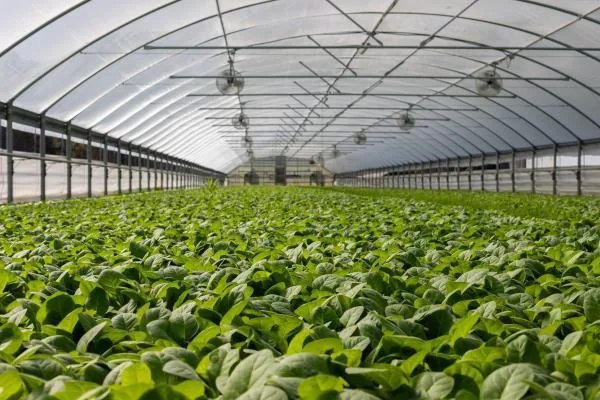
INDUX’s greenhouse-agriculture work emphasizes affordable systems that increase performance and crop quality, protect production from temperature and extreme weather, and train local farmers in new products and methods.

A stronger food system also asks what happens before and after the farm: input access, irrigation, protected cultivation, cold chain, storage, transport, market access, financing, data and processing.

Protected greenhouse agriculture
Protected productionManage temperature, pests, water and weather exposure.
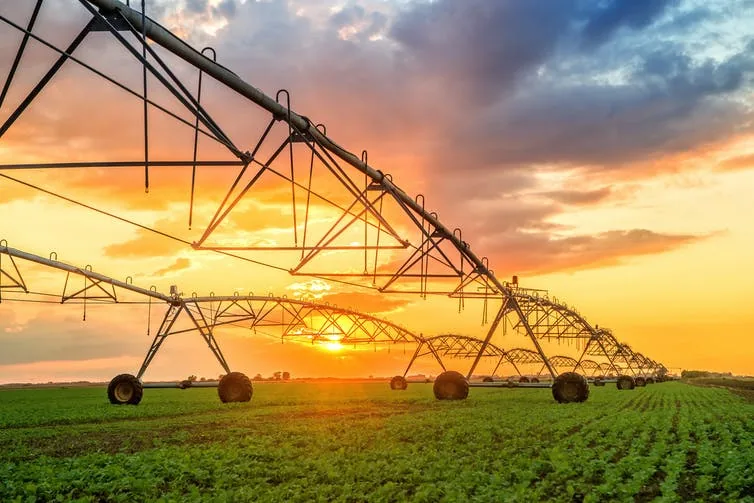
Agricultural irrigation
Resource efficiencyAlign irrigation, energy, land and crop economics.
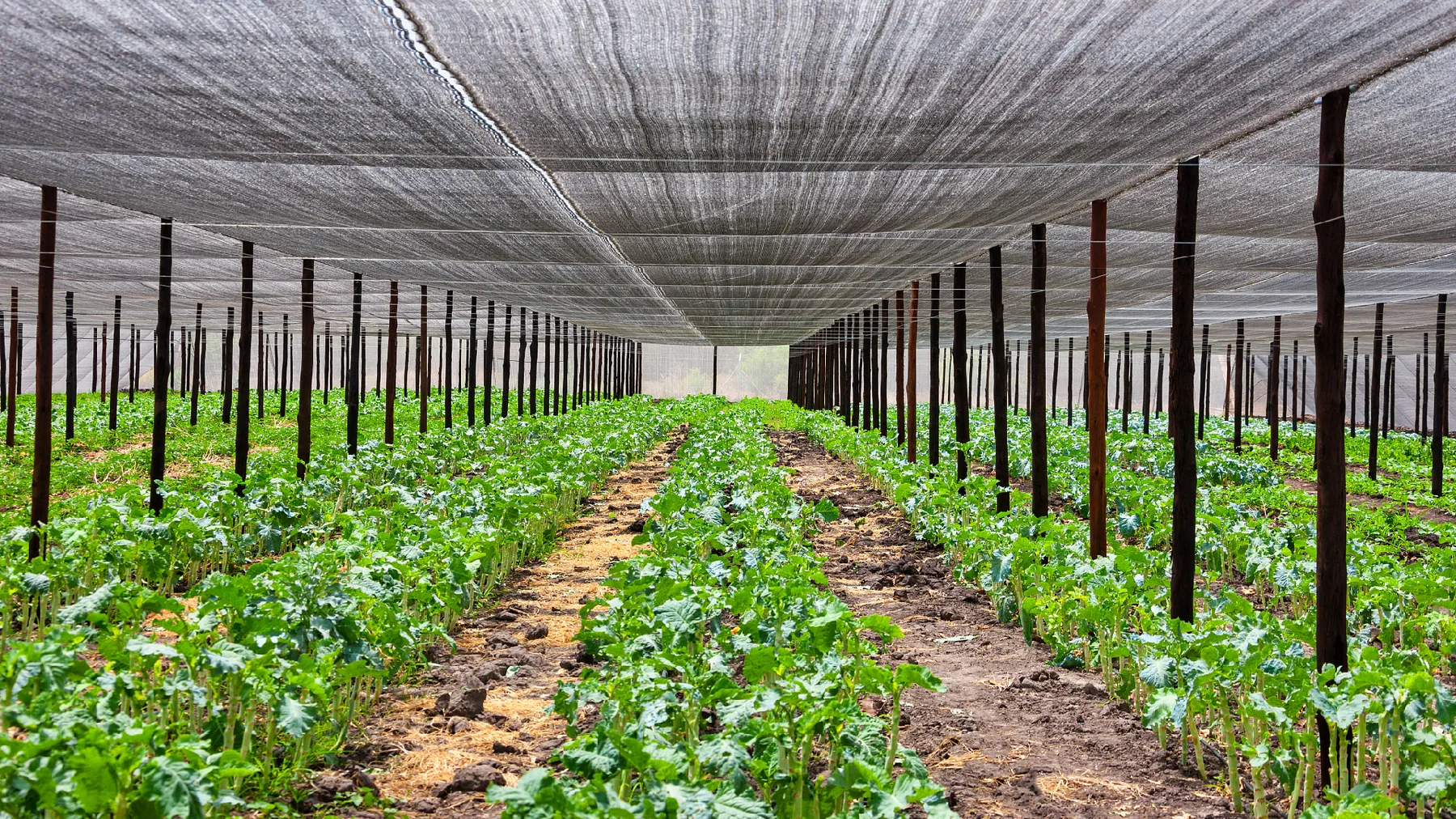
Agricultural workforce
Local capabilityBuild skills, quality practices and market participation.
InputsProductionProtectionHarvestStorageMarketReinvestment
05 · Technology Development & Transfer

Technology transfer is incomplete if only the equipment moves.

INDUX’s current technology agenda includes incentives for innovation, resources that help new ideas develop and survive, and innovation mechanisms such as hackathons, pitching programs and competitions.

For industrial projects, transfer should include the ability to install, operate, maintain, troubleshoot, improve and eventually localize parts of the value chain. That requires documentation, training, supplier development, data access and a clear division of intellectual property and operating responsibility.

1Technologyequipment, software, process or know-how
2Knowledgetraining, manuals, methods and standards
3Capabilitylocal operators, technicians and managers
4Localizationsuppliers, service, adaptation and improvement
5Innovationnew products, ventures and locally created value
06 · Healthcare & Human Infrastructure

Healthcare works better when access, people, equipment and prevention connect.

INDUX’s published healthcare scope includes integrated healthcare solutions, telemedicine for access, sourcing and financing of equipment, preventive-health approaches and the use of technology, nutrition and education.

That means a healthcare project must consider more than the facility itself. It needs clinical workflows, staffing, connectivity, equipment lifecycle, patient access, supply chains, payment or reimbursement, maintenance and preventive programs.

Access

Telemedicine & reach

Use digital channels to extend specialist and primary-care access where distance is a constraint.

Assets

Equipment & financing

Match equipment acquisition to clinical need, maintenance capacity and a credible funding model.

Operations

Integrated delivery

Connect staffing, patient flow, inventory, diagnostics, referrals and reporting.

Prevention

Health before treatment

Use education, nutrition and preventive programs to improve outcomes before acute care is required.

07 · Industrial Development & Logistics

A factory is part of a much larger operating network.

Industrial development depends on materials, utilities, people, quality, maintenance, distribution, working capital and market demand. Logistics and workforce planning belong inside project design—not after it.

Suppliersmaterials + components
Utilitiespower + water + connectivity
Operating AssetIndustrial System
Workforceskills + management
Logisticsinbound + outbound
Marketcustomers + distribution
Financeworking capital + control
Cross-sector advantage

Energy powers factories and water systems. Transportation connects farms, industrial zones and cities. Manufacturing creates demand for utilities, logistics and skills. Construction shapes the physical platform where commerce happens. Workforce systems determine whether technology can actually be operated and maintained. INDUX’s opportunity is to design these interfaces deliberately instead of treating each industry as an isolated project.

Expanded economic infrastructure portfolio

Four more industries complete the picture around productive growth.

These sectors sit at the intersection of physical infrastructure, industrial capability and human capacity. Each now has its own deep-dive page with the same system-first structure used throughout the INDUX website.

08

Manufacturing & Industrialization

Connect market demand to product design, process, equipment, capacity, utilities, suppliers, quality, maintenance, workforce, logistics, working capital and ramp-up economics.

DemandProcessPlantRamp-up
Explore manufacturing
09

Water & Utility Infrastructure

Structure source security, treatment, storage, distribution, pumping energy, demand, metering, tariffs, maintenance, resilience and lifecycle funding as one utility system.

SourceTreatDeliverRecover
Explore water & utilities
10

Construction & Urban Development

Align land, planning, infrastructure, utilities, mobility, phasing, procurement, finance, construction controls, occupancy and long-term operating responsibility.

LandPlanBuildOperate
Explore urban development
11

Education, Workforce & Capacity Development

Start with employer demand, define competencies, build practical training capacity, connect employers to delivery and measure certification, placement, retention and progression.

DemandTrainVerifyPlace
Explore workforce systems
Portfolio discipline

A broad industry portfolio only creates credibility when each sector is backed by a clear operating thesis, verifiable project evidence and a defined role for INDUX. These pages explain where INDUX can contribute; specific mandates, projects, partners and financial results should continue to be identified only when verified and approved for publication.

Strategy to execution

Build the ecosystem around the asset.

INDUX connects sector strategy with infrastructure, manufacturing, utilities, skills, partnerships, capital and operating systems required to make the opportunity commercially and socially useful.